

If you’ve been following Japan’s cannabinoid scene recently, you’ve probably seen the same question popping up everywhere:
What happens after the CBN ban in Japan?
Right now, CBN is still legal in Japan. Companies can still manufacture, sell, and distribute products containing cannabinol, and consumers can legally buy, possess, and use them. However, the situation may change soon.
Recent guidance from Japan’s Ministry of Health, Labour and Welfare indicates that CBN is expected to be designated as a “designated drug” (指定薬物) under Japan’s pharmaceutical regulations. If the revised ordinance is promulgated as planned, the enforcement date is expected to be June 1. Once that happens, manufacturing, importing, selling, possessing, and using CBN products would all be prohibited — except for very limited medical exceptions requiring extensive documentation.
⚠️ Regulatory Update (June 2026): This article discusses products that contained CBN before Japan’s June 1, 2026 regulatory changes. Products containing CBN are no longer legal to possess, sell, or import in Japan as of June 1, 2026.
In addition, the product discussed in this article may no longer be available for sale or may have been discontinued.
This post is retained for archival and informational purposes only and does not constitute legal advice or encouragement to violate Japanese law.
If you want a deeper breakdown of the ministry documents and what they actually say, you can read my earlier explanation here:
👉 [CBN Ban Update: What the Ministry Documents Actually Mean]
So the big question becomes:
What comes next?
After the CBN Ban in Japan: How the Japanese Cannabinoid Market Is Adapting
One of the fascinating things about Japan’s cannabinoid industry is how quickly companies adapt to regulatory changes. We’ve seen this happen repeatedly. When certain cannabinoids become restricted, manufacturers begin exploring new hemp-derived compounds that remain compliant with Japanese law. And as per usual (and thankfully!), that process appears to already be underway.
Some brands are experimenting with new cannabinoid blends, while others are introducing entirely different molecules designed to replicate the effects that made CBN popular in the first place.
For example, companies are already starting to move away from CBN in their newest formulations. Instead, they are experimenting with combinations of compounds such as CRDP and H4CBH, aiming to recreate the relaxing, body-heavy effects that made CBN such a favorite for nighttime use.
But another compound beginning to attract attention is something called CBV.
What Is CBV (Cannabivarin)?
CBV, short for Cannabivarin, is a lesser-known cannabinoid that naturally occurs in very small amounts in hemp. Chemically, it belongs to what researchers sometimes refer to as the “varin” cannabinoid family — compounds that have a three-carbon side chain, similar to cannabinoids like THCV and CBDV.
Interestingly, CBV can be formed through a biochemical pathway that looks like this:
CBGVA → THCVA → THCV → CBV
Despite the presence of “THC” in the name THCV, it is important to note that THCV is chemically distinct from Δ9-THC, the intoxicating compound associated with traditional cannabis. And like CBDV and THCV, CBV is generally believed to be non-intoxicating. Because CBV is still relatively obscure, very little mainstream information exists about it — which means many people searching for “CBV cannabinoid” or “CBV effects” are only now starting to encounter it as Japan’s cannabinoid market evolves.
Potential Effects of CBV
Because CBV is still an emerging cannabinoid, research is limited. However, early scientific interest and anecdotal reports suggest it may share some properties with other varin cannabinoids.
Areas that cannabinoids in this family have been studied for include:
• Parkinson’s disease
• psychotic disorders
• bacterial inflammation
• acne
• fatty liver disease
• pain
• epilepsy
If CBV behaves similarly to compounds like CBDV or THCV, users may experience:
• improved focus
• clearer mental state
• a light “sativa-like” feeling
At the same time, early user reports suggest something else interesting. Some people describe CBV’s effects as a “clear-headed version of CBN.” In other words: relaxation without the heavy sedation.
Early testers have mentioned benefits such as:
• easier sleep onset
• natural relaxation
• a calmer evening routine without feeling overly groggy
Of course, as with all emerging cannabinoids, more research and real-world experience will be needed to understand its effects fully.
The First CBV Shipments Have Arrived
According to industry sources, the first shipments of CBV have already arrived in Japan, and companies are beginning to experiment with incorporating it into new product formulations. If CBN regulation proceeds as expected, cannabinoids like CBV could become part of the next generation of hemp-derived products in Japan.
CBN Remains Legal Until JUNE 1, 2026
Until the revised ordinance is formally promulgated, CBN products remain legal to buy and use in Japan. That means companies are still selling CBN products, and consumers can still legally access them.
Where People Are Finding CBN in Japan until May 31, 2026
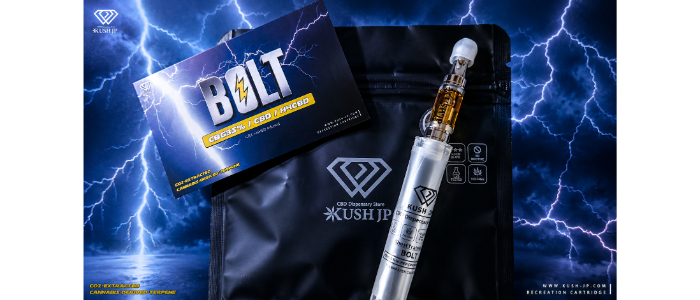
For the moment, CBN products are still legally available in Japan, and several domestic companies continue offering cannabinoid products designed to comply with the country’s strict regulations. One example is KUSH JP, a Japan-based vendor known for producing cannabinoid products with cannabis derived terpenes, clear COAs and THC-free formulations specifically designed for the Japanese market.
If you’re curious how consumers and visitors are currently navigating Japan’s cannabinoid scene, I’ve also put together a guide explaining how people are buying cannabinoids in Japan and what to look for before ordering.
👉 [How Tourists and Residents Are Buying Cannabinoids in Japan]
And if you’re unsure how to verify whether a cannabinoid product is compliant with Japanese regulations, you may also want to read:
👉 [How to Read a COA in Japan]
Understanding lab reports is one of the most important ways consumers can confirm whether a product meets Japan’s strict THC-free standards.
The Future of Cannabinoids in Japan
Japan’s cannabinoid market has proven remarkably adaptable. As regulations evolve, companies continue exploring new compounds, new blends, and new approaches to hemp-derived wellness products. Whether CBV becomes the next major cannabinoid or simply one of several experimental ingredients remains to be seen.
But one thing is certain: the story of cannabinoids in Japan is far from over.
And if the past few years are any indication, the next chapter will probably arrive sooner than we expect. So keep following along and stay lifted, legally. 🌿
Quick note: This article contains affiliate links. I may earn a commission at no extra cost to you.


Leave a Reply