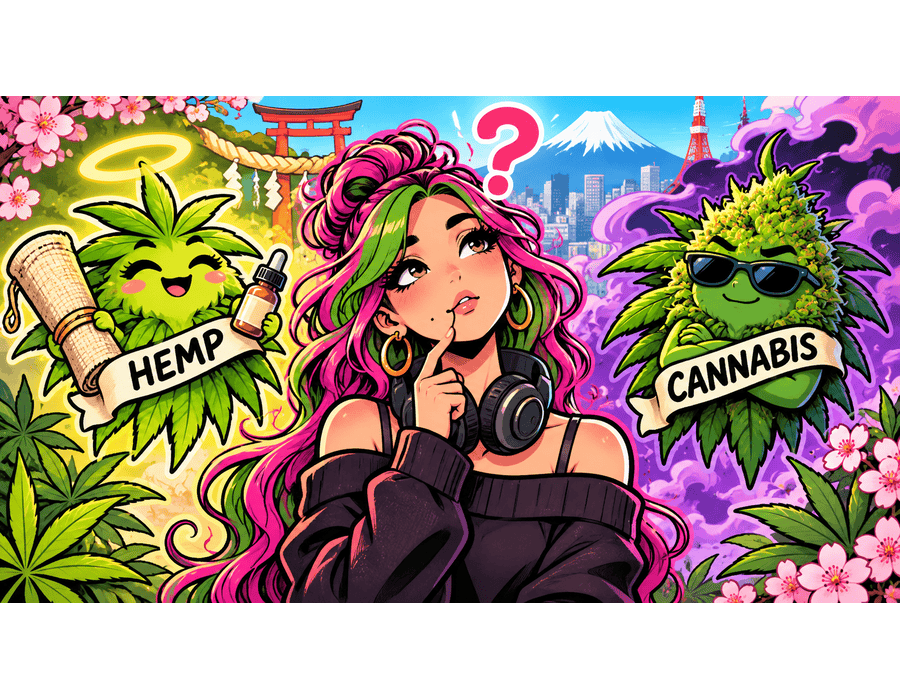
Call it cannabis, and somebody’s grandmother is clutching her pearls. Call it hemp, and suddenly we’re talking about sustainable fashion, skincare, traditional Japanese craftsmanship, and wholesome botanical goodness. But here’s the funny thing: we’re essentially talking about the same plant.
So how did one word become associated with wellness, agriculture, and cultural heritage, while the other became synonymous with drugs, criminality, and social taboo? And why does that distinction still matter so much in Japan, where hemp exhibitions can operate openly while cannabis remains such a sensitive subject?
Grab a cup of tea, my curious friends. We’re about to give one very misunderstood plant a little identity crisis.
Hemp vs. Cannabis: What’s Actually the Difference?
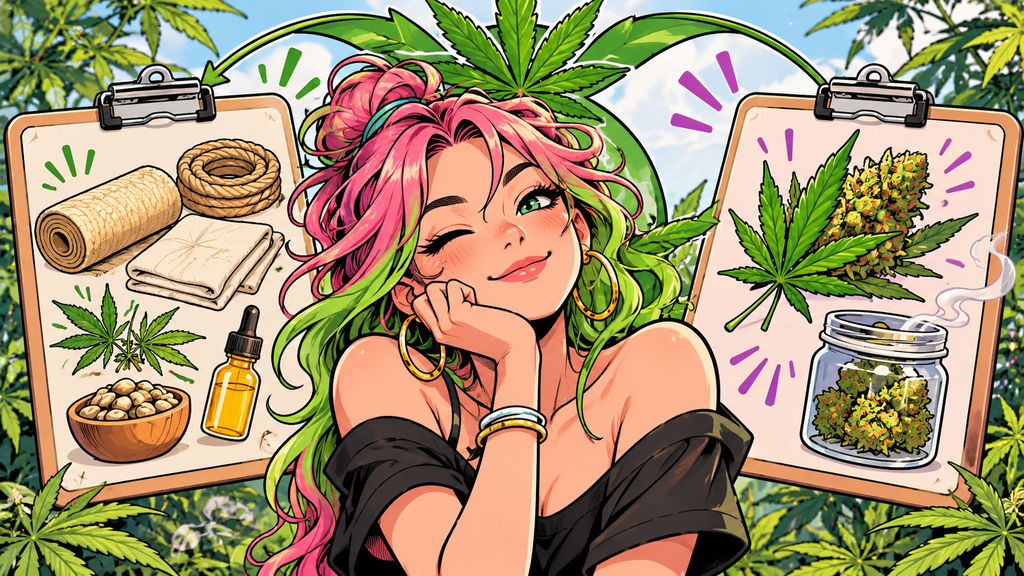
Let’s start with the basics. Cannabis is the broader botanical term, while hemp generally refers to cannabis varieties cultivated or legally classified for their low THC content and uses such as fibre, seeds, and cannabinoid production. Both generally belong to the species Cannabis sativa L. The important distinction is that hemp isn’t an entirely different plant. It’s a category within cannabis, and the exact legal definition varies between countries.
Marijuana, meanwhile, is a common term for cannabis associated with its intoxicating properties, particularly THC-rich flowers. So, in simple terms, all hemp is cannabis, but not all cannabis is hemp. It’s like one plant with two very different résumés… One works in sustainable agriculture, while the other gets questioned by the police.
Japan’s Long, Complicated Relationship With Hemp
Here’s where things get particularly interesting. Long before today’s drug laws, hemp played an important role in Japanese society, and its cultural significance hasn’t entirely disappeared. Although hemp cultivation is far less common today, licensed farmers still grow it for fibre, while traditional craftspeople continue to use it for textiles, rope, and ceremonial items. Hemp also maintains a place in religious traditions, including Shinto purification rituals. In other words, Japan has a long and continuing relationship with the cannabis plant, one that extends well beyond its modern association with illegal drugs.
And there’s an important linguistic detail here. The Japanese word asa (麻) often refers to hemp, but it can also describe other plant fibres, including flax and ramie. Meanwhile, taima (大麻) specifically refers to cannabis, although the word also has historical religious meanings. Today, however, taima tends to evoke illegal drugs far more readily than traditional textiles.
How Did Cannabis Become So Taboo in Japan?
Japan’s complicated relationship with cannabis didn’t happen overnight. In fact, Japan’s modern approach to cannabis really took shape in the postwar years, particularly with the Cannabis Control Act of 1948. Growing cannabis became something you needed a licence for, and getting caught with it without authorization could land you in serious trouble. Traditional hemp cultivation was still allowed, but under strict rules. Over the years, anti-drug campaigns, police crackdowns, and plenty of negative media coverage helped shape the way people in Japan viewed cannabis, and not exactly in a positive light.
And that’s where the language gets interesting. Talk about asa in the context of traditional Japanese textiles, and you’re celebrating craftsmanship and cultural heritage. Bring up taima in casual conversation, however, and people are much more likely to think about drugs, arrests, and police investigations. Of course, not everyone in Japan sees it that way, but it’s interesting how differently people can react depending on which word you use. And when you consider that we’re essentially talking about the same plant, the whole thing feels a little strange, right?
How Hemp Became the Cannabis Industry’s Friendly Face
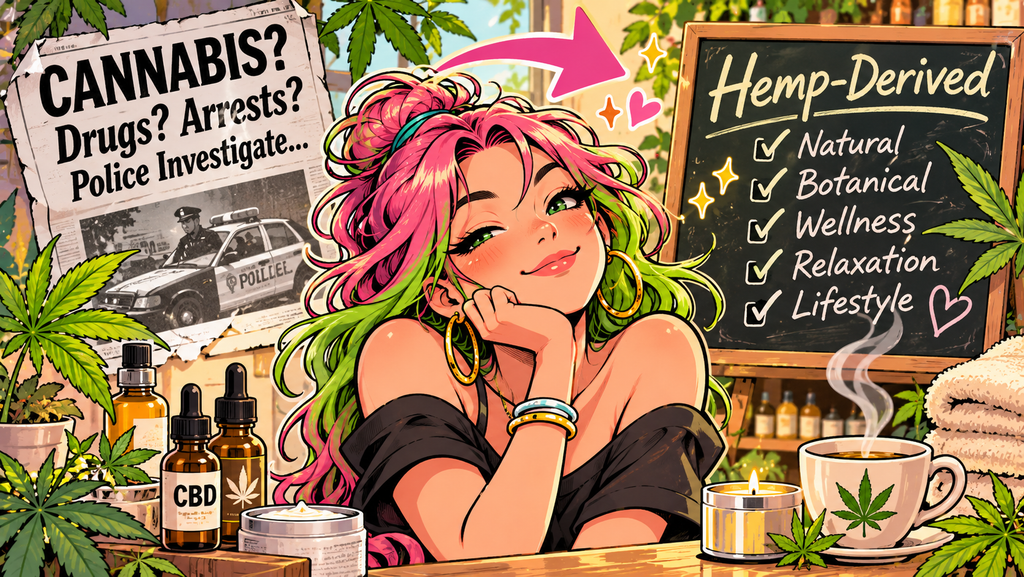
Then along came the CBD and wellness industry, and suddenly hemp had a whole new image. As hemp-derived products started popping up around the world, brands leaned into words like natural, botanical, and wellness. And honestly, I get it. Which sounds more appealing to the average person: “Hemp-derived botanical wellness oil” or “Cannabis-derived oil”?
Technically, both could contain the exact same CBD molecule, but they certainly don’t give off the same impression, do they? The first sounds like something you’d pick up at a lovely little organic shop, maybe alongside some fancy skincare and herbal tea. The second might have someone wondering whether they’re about to get high. Neither description is necessarily wrong, but it’s funny how much difference a single word can make, especially when we’re talking about the same ingredient.
Of course, there’s another little twist to all of this. Hemp-derived doesn’t automatically mean non-intoxicating. Some cannabinoids sold under the hemp umbrella can produce psychoactive effects, including those made through chemical conversion. And just because something comes from hemp doesn’t automatically make it legal, either. What matters is what’s actually in the product and how it’s regulated, not how natural or wholesome the packaging makes it sound.
Does Hemp Mean Legal and Cannabis Mean Illegal in Japan?
Not quite, and this is where the distinction becomes particularly important. Japan’s revised cannabis legislation, implemented in stages beginning in December 2024, introduced new rules concerning cannabis use, cultivation, medical applications, and THC residues. Legal CBD products can exist within this framework, provided they comply with the relevant requirements. Japan also permits licensed hemp cultivation under specific conditions, while unauthorized cannabis use and certain substances remain prohibited.
Crucially, Japan applies strict THC residue limits to finished products, with different thresholds depending on the product category. That means a product marketed as hemp-derived isn’t automatically legal, and conversely, cannabis itself isn’t prohibited in every possible context. The law cares about substances, concentrations, activities, and authorization—not whether a marketing department chose the friendlier word. This is why understanding cannabinoid ingredients and certificates of analysis matters so much, particularly for consumers navigating Japan’s evolving market.
Can Hemp Change the Conversation Around Cannabis?
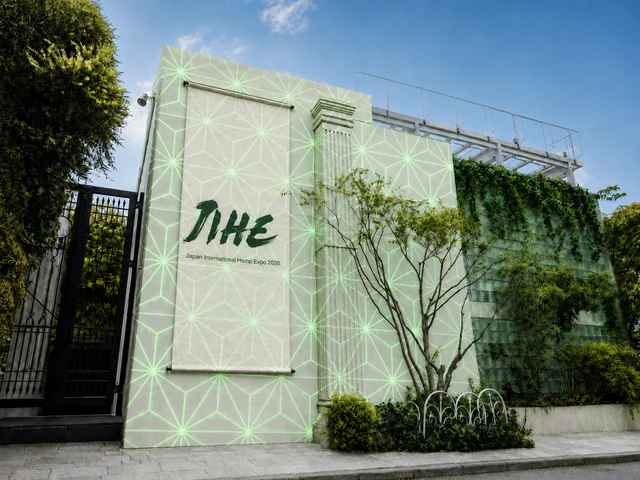
This brings us to an interesting modern example: the Japan International Hemp Expo, or JIHE. An entire event dedicated to hemp, CBD, research, agriculture, and industry development can take place openly in Tokyo. Now imagine calling it the Japan International Cannabis Expo. Would people react differently? Quite possibly, and that’s the fascinating contradiction.
Hemp provides a way to discuss the plant’s commercial, scientific, and cultural potential without immediately invoking the stigma surrounding recreational marijuana. That can encourage education and legitimate industry development, but it also raises an interesting question. Are we genuinely changing public attitudes toward cannabis, or simply making certain parts of the industry more socially acceptable by calling them hemp? Perhaps a little of both.
Final Thoughts: What’s in a Name?
Personally, I think there’s room for both words, provided we use them accurately. Hemp deserves recognition for its agricultural, industrial, and cultural importance, while cannabis deserves thoughtful, evidence-based discussion without automatically reducing an entire plant to its potential for intoxication. And cannabinoids? Well, those deserve a conversation of their own (and why I’m here).
Understanding what a product contains, how it works, and whether it complies with Japanese law matters considerably more than what somebody printed on the packaging. At the end of the day, hemp and cannabis are essentially the same plant. We’ve just come to see them very differently over the years. And one gets invited to wellness expos, while the other makes headlines.
Same plant, different public relations departments. And perhaps it’s time we got better acquainted with both. Legally, of course. 🌿


Leave a Reply