
Ever taken a puff of a cannabinoid vape and wondered why it tastes like you’ve just licked a pine tree? Or why one cartridge delivers delicious notes of lemon cake while another smells like you accidentally wandered into a particularly fragrant Amsterdam coffeeshop? Darling, meet terpenes.
These little aromatic compounds are responsible for some of the most recognizable flavours and fragrances in nature. And when it comes to both cannabis and alternative cannabinoid products, they’re a rather important part of the experience.
But do terpenes actually do anything beyond making your vape taste delicious? Let’s get into it.
What Are Terpenes in Cannabis?
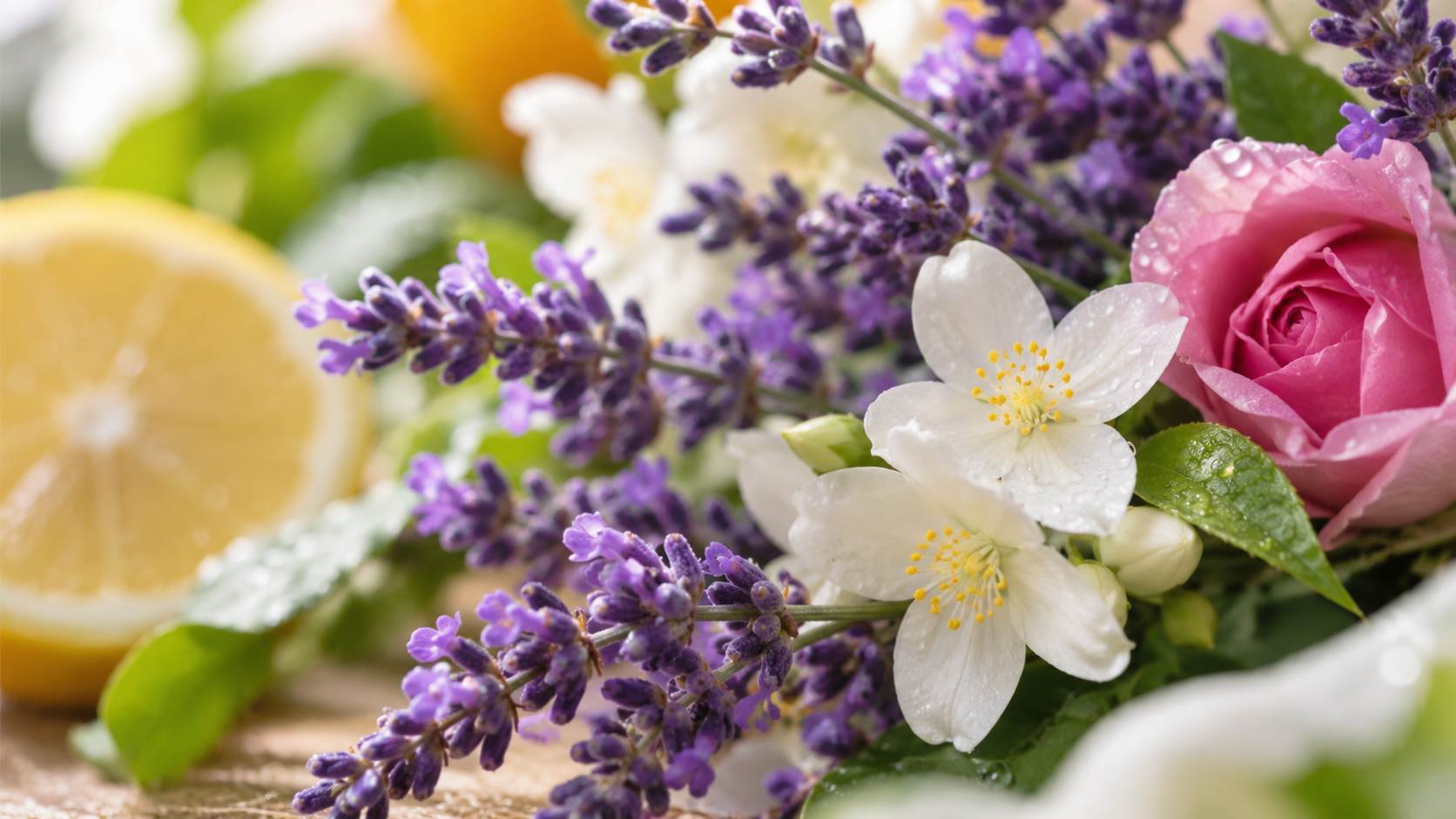
Terpenes are naturally occurring aromatic compounds found in plants, including cannabis, citrus fruits, pine trees, lavender, and countless others. They’re responsible for much of what gives plants their distinctive smells. That sharp lemony freshness? Often associated with limonene. The earthy, herbal aroma of certain cannabis strains? Myrcene may be contributing. That unmistakable pine forest fragrance? Say hello to pinene.
Cannabis contains a complex mixture of terpenes, and different combinations help create the distinctive aromas we associate with particular strains. In other words, think of cannabinoids as the main characters and terpenes as the supporting cast. They might not get top billing, but they certainly help set the scene.
Cannabis-Derived vs. Botanical Terpenes: What’s the Difference?
Not all terpenes in cannabinoid vapes come directly from cannabis.
Cannabis-derived terpenes (CDTs) are extracted from cannabis plants and can preserve elements of their characteristic aromatic profiles.
Botanical terpenes (BDTs) come from other plant sources, such as citrus, herbs, and flowers. Manufacturers can combine them to recreate cannabis-inspired flavours or develop entirely different profiles.
Neither source automatically guarantees a better product. Quality, composition, and formulation matter more than a fancy label. And yes, botanical terpenes can taste remarkably convincing. Others taste like a fruit-flavoured vape that once overheard someone discussing cannabis. We’ve all met one.
Read more: CDT vs BDT: What’s the Difference
Meet the Terpenes: The Usual Suspects
These are some of the terpenes you’ll encounter along with their signature aromas and the effects researchers are investigating. Consider it a little cheat sheet for your nose.
| Terpene | Aroma & flavour | Potential effects being studied |
|---|---|---|
| Myrcene | Earthy, musky, herbal, mango | Relaxation, sedation |
| Limonene | Lemon, orange, bright citrus | Mood, anxiety modulation |
| Pinene | Pine, rosemary, fresh wood | Alertness, inflammation |
| Linalool | Lavender, floral, lightly spicy | Calming, sedation |
| β-Caryophyllene | Black pepper, cloves, spice | CB2 receptor activity, inflammation |
| Humulene | Hops, earthy, woody | Inflammation |
Note: These are areas of scientific investigation, not guaranteed effects. Much of the evidence comes from laboratory or animal studies, and terpene–cannabinoid interactions in humans remain incompletely understood.
Do Terpenes Affect Your High? Let’s Talk About the Entourage Effect
Here’s where things get interesting. You’ve probably heard of the entourage effect, the idea that cannabinoids, terpenes, and other cannabis compounds may interact to influence the overall experience. It’s a fascinating area of research, although scientists haven’t established that specific terpene combinations reliably produce particular highs in humans.
Personally, I love seeing Japanese vendors recreate familiar cannabis strain profiles using terpenes, and some really nail it! But here’s the catch: a familiar strain name doesn’t guarantee familiar effects. A vape featuring the terpene profile of a famously uplifting sativa might deliver a surprisingly indica-like, body-heavy experience, or vice versa. That’s because the complete cannabinoid formulation matters, not just the flavour profile or the strain name on the packaging. In other words, your vape might taste like a classic sativa while having entirely different plans for your evening.
Flavour/name can tell you something about a product’s aromatic profile. But in terms of altnoids, it doesn’t tell you everything about its effects.
Why Mary Jane Pays Attention to Terpenes
For me, terpenes are about more than just flavour. They’re part of the experience, from that first deliciously citrusy puff to the earthy, familiar aroma that makes you stop and appreciate a particularly well-crafted blend. And while they don’t necessarily dictate how a product will make you feel, they can certainly shape how much you enjoy the experience.
That’s why I love discovering Japanese vendors who really nail those familiar strain profiles. There’s something wonderfully nostalgic about recognizing a flavour you haven’t encountered in years, even when the effects turn out to be something entirely different.
So follow your nose, appreciate the craftsmanship, but remember to pay attention to what’s actually in the cartridge. After all, a great terpene profile might win you over on the first puff, but it’s the complete formulation that determines whether the experience lives up to expectations.
And as always, keep it legally lifted! 🍃



Leave a Reply